Honeyeater Rocket Avionics Payload
Custom avionics payload for electronic and dual deployment, built with the UTS Rocketry team
The Problem
High-power rocketry requires reliable electronic deployment — if the payload doesn’t detect apogee accurately, the parachute fires at the wrong time and the rocket is lost. Off-the-shelf flight computers exist, but building our own meant we could customise the logic and learn the avionics stack end to end.
What I Built
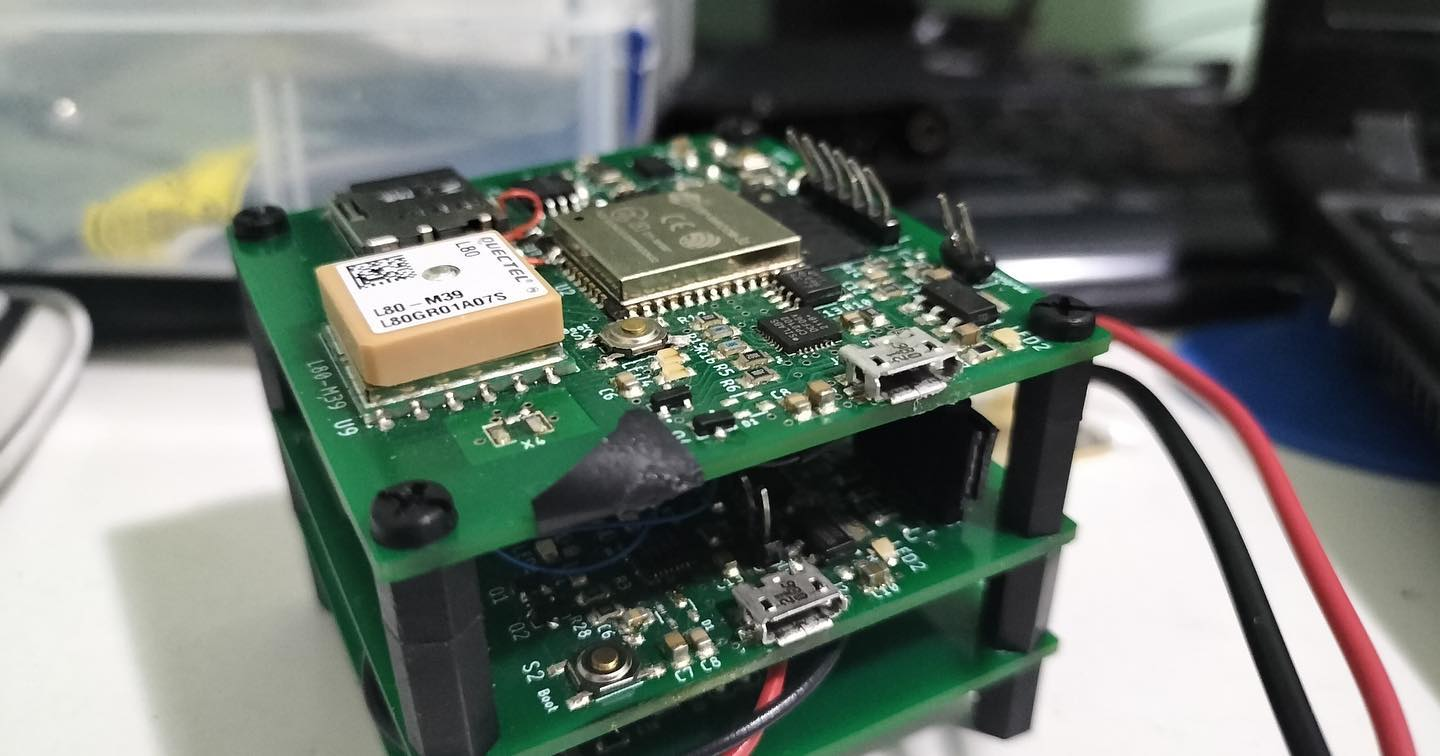
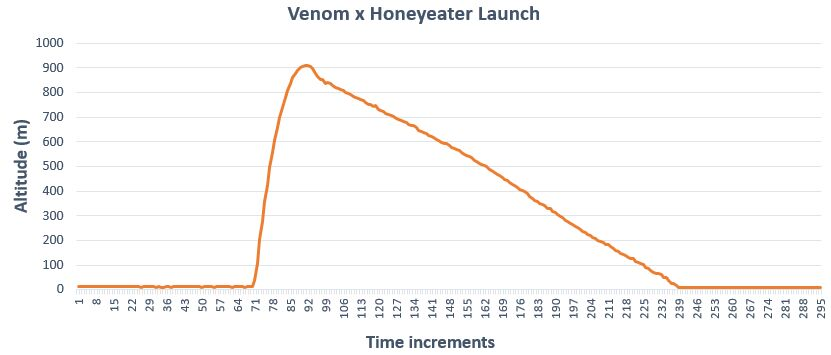
Developed and tested the flight software for the Honeyeater payload — a custom avionics board designed by the UTS Rocketry team for both electronic and dual deployment. My focus was on accurate sensor data acquisition and reliable apogee detection to trigger deployment charges at the right moment.
Launch
What I Learned
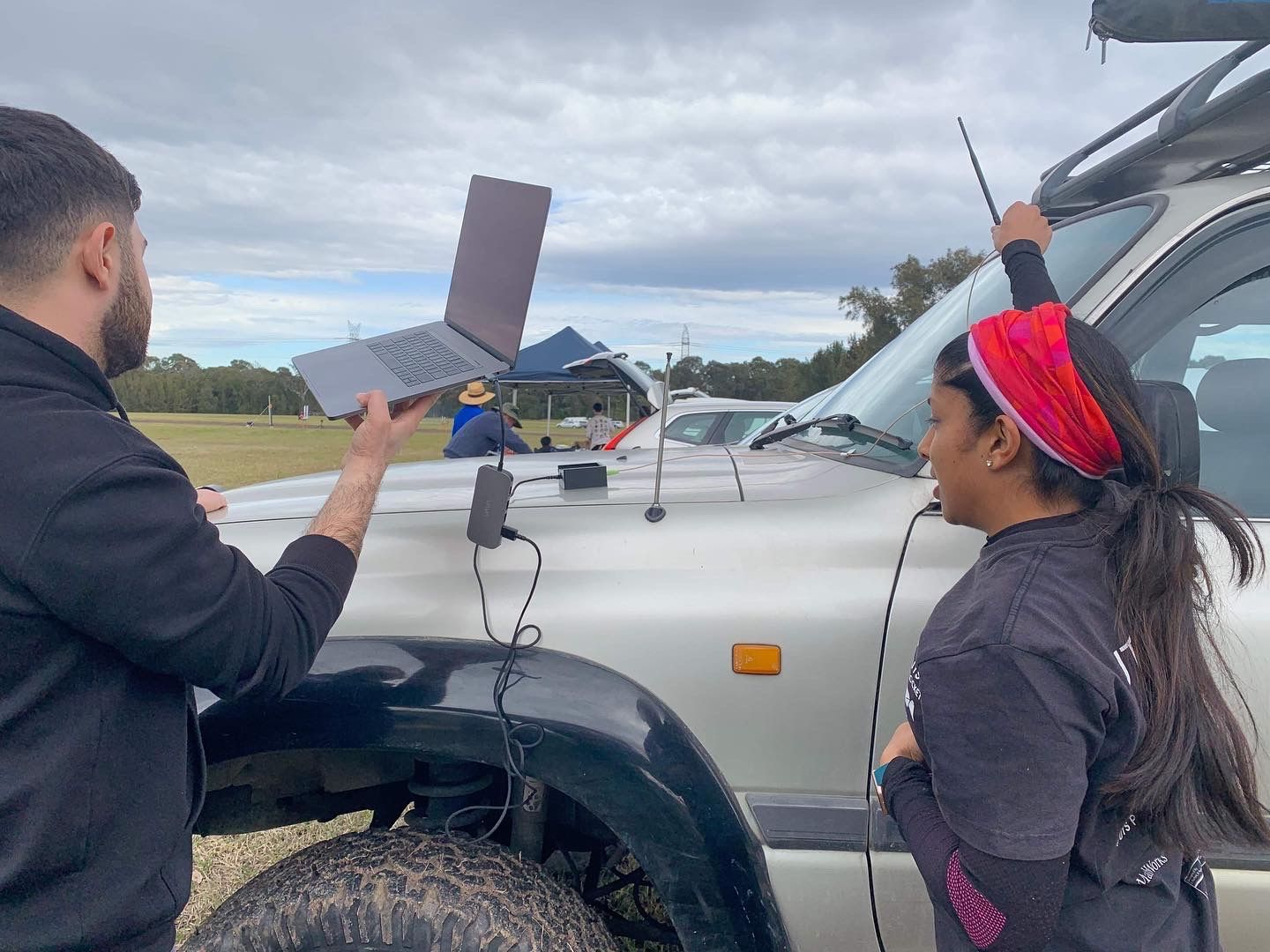
The hardest part wasn’t writing the apogee detection algorithm — it was making it robust to noisy barometric data during a turbulent ascent. Filtering strategies that work perfectly on bench tests behave differently when the rocket is spinning at Mach 0.5. We iterated through multiple filtering approaches before landing on one that was reliable across flight conditions.